Understanding the poem Chimney Sweeper and Its Urban Roots
The poem Chimney Sweeper has long been studied as a powerful reflection on childhood, labor, and social conscience. While the poem originates from William Blake’s late 18th-century England, its themes resonate strongly with the historical and cultural development of cities like New York. During New York’s rapid urban expansion, chimney sweeping became an essential but hazardous occupation, making the poem’s message feel especially relevant in an American context.
New York’s dense architecture and reliance on fireplaces during early industrial growth created conditions similar to those described in Blake’s work. Children and impoverished workers often performed chimney sweeping, facing dangerous environments that mirror the emotional and physical hardship expressed in the poem.
Historical Context of Chimney Sweeping in New York
To fully appreciate the poem Chimney Sweeper, it helps to understand how chimney sweeping functioned in New York during the 19th century. As buildings grew taller and heating systems became more complex, chimneys required frequent cleaning to prevent fires and structural damage. Chimney sweeping was not merely maintenance; it was a critical safety measure in crowded neighborhoods.
At the same time, the profession was associated with exploitation and health risks. This connection allows modern readers to see how Blake’s poetic critique extends beyond England and into the realities of New York’s working-class history, where labor conditions often lagged behind economic progress.
Themes in the poem Chimney Sweeper and Their New York Parallels
The poem explores the loss of innocence, institutional neglect, and the false promises of comfort. These themes resonate with the experiences of many young laborers in New York’s past, particularly immigrants and children from low-income families. Chimney sweeping symbolized the darker side of progress, where economic growth depended on invisible labor.
Blake’s imagery of soot and confinement can easily be mapped onto New York’s narrow flues and brick-lined shafts. The emotional weight of the poem becomes even stronger when viewed through the lens of a bustling city that demanded constant maintenance yet often ignored the workers performing it.
How Chimney Sweeping Evolved From Symbol to Service
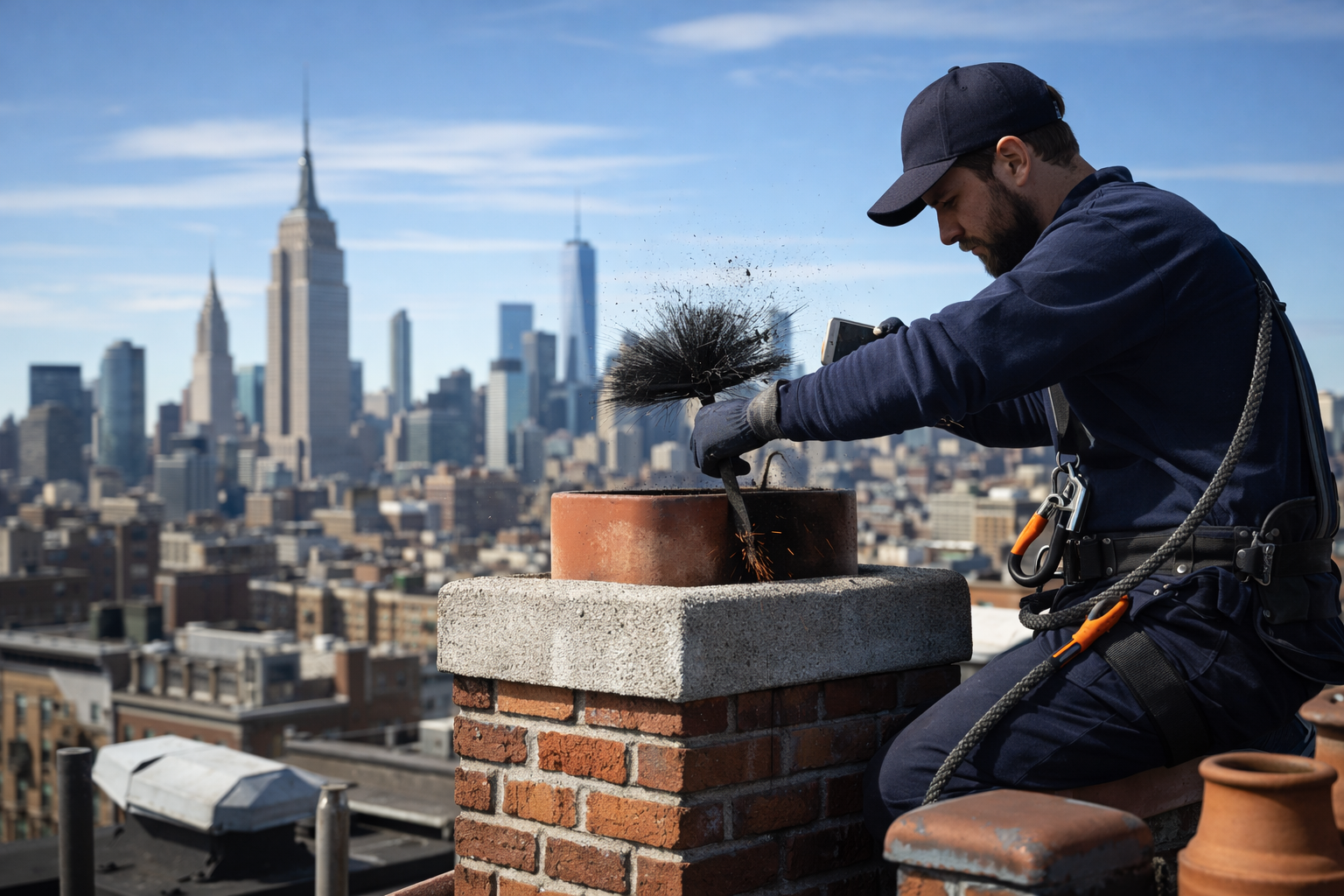
Modern chimney sweeping in New York bears little resemblance to the grim realities depicted in the poem Chimney Sweeper. Today, the practice is regulated, professionalized, and focused on safety. Trained technicians use advanced tools to inspect and clean chimneys, ensuring proper airflow and reducing fire hazards.
This transformation reflects a broader societal shift toward worker protection and public safety. While the poem remains a reminder of past injustices, modern chimney sweeping represents progress born from awareness and reform.
The Role of Chimney Repair in Modern New York Homes
In contemporary New York, chimney maintenance goes beyond cleaning. Professional chimney Repair services address structural issues, liner damage, and weather-related wear that can compromise safety. These services ensure that fireplaces and heating systems function efficiently, especially in older buildings where chimneys are integral to the structure.
By investing in professional care, homeowners honor the lesson embedded in the poem Chimney Sweeper: neglecting essential labor has human and material costs. Proper chimney repair prevents accidents and preserves the longevity of historic and modern properties alike.
Why the Poem Still Matters Today
The poem Chimney Sweeper continues to be taught because it challenges readers to question systems that normalize harm. In a city like New York, where infrastructure relies on continuous upkeep, the poem encourages respect for skilled trades that protect lives and property.
Its relevance extends to modern discussions about labor rights, safety standards, and ethical responsibility. When homeowners choose qualified chimney sweeping professionals, they participate in a culture that values expertise and humane working conditions.
Chimney Sweeping as Preventive Care
Chimney sweeping today serves as preventive maintenance rather than a desperate measure. Regular inspections reduce the buildup of creosote, improve indoor air quality, and prevent costly repairs. In this sense, chimney sweeping has shifted from a symbol of exploitation to one of responsibility and foresight.
Homeowners who prioritize routine service often find that small interventions prevent major structural problems. This practical approach aligns with the poem’s underlying warning about ignoring problems until they become crises.
Linking Literature to Real-World Responsibility
One reason the poem Chimney Sweeper remains impactful is its ability to connect literature with lived experience. In New York, where old buildings coexist with modern apartments, chimneys are both historical artifacts and functional necessities. Literature reminds us that behind every structure is human effort.
Choosing trusted chimney repair experts and maintaining safe systems is a modern response to the injustices the poem exposes. It transforms awareness into action, ensuring that progress does not come at the expense of safety or dignity.
The Commercial Importance of Professional Services
From a practical standpoint, professional chimney sweeping and chimney Repair services protect property value and comply with local regulations. Insurance providers and building codes often require documented maintenance, making professional service not just advisable but essential.
Businesses offering these services contribute to safer neighborhoods and more sustainable housing. Their work reflects how society has learned from past mistakes highlighted in literature like the poem Chimney Sweeper.
Reflecting on Progress Through Poetry and Practice
The contrast between the poem’s bleak imagery and today’s professional standards highlights meaningful progress. Yet the poem remains a cautionary tale, reminding New Yorkers that safety and ethics must guide development. Chimney sweeping, once a symbol of suffering, now represents care, accountability, and technical skill.
By understanding this evolution, readers can appreciate how literature informs modern values and consumer choices, especially when selecting services that protect homes and families.
Why New York Homeowners Should Care
New York’s climate, architecture, and building density make chimney maintenance particularly important. Snow, rain, and temperature fluctuations accelerate wear, increasing the need for regular inspections. Partnering with professional chimney sweeping services ensures compliance with safety standards and peace of mind.
The poem’s message reinforces the idea that neglect has consequences. Modern solutions allow homeowners to act responsibly and avoid repeating historical patterns of oversight.
FAQ
- What is the main message of the poem Chimney Sweeper?
The poem critiques social systems that exploit vulnerable workers and highlights the loss of innocence caused by neglect and false promises. - How is chimney sweeping relevant in New York today?
Chimney sweeping remains essential for fire prevention and air quality, especially in older New York buildings. - Is chimney sweeping still dangerous?
Modern chimney sweeping is safe when performed by trained professionals using proper equipment and regulations. - How often should chimneys be inspected?
Most experts recommend annual inspections, particularly before heavy fireplace use. - What is the difference between chimney sweeping and chimney repair?
Chimney sweeping focuses on cleaning and inspection, while chimney repair addresses structural or functional damage.