A clean deck improves curb appeal, extends the life of your outdoor surfaces, and creates a healthier space for relaxing or entertaining. The search intent behind home made deck cleaner is strongly informational with light commercial interest, as homeowners want affordable, safe cleaning methods while also comparing DIY results to professional options. This guide explains how homemade solutions work, when they are effective, and when a professional home cleaner service may be the better choice.
Decks are constantly exposed to dirt, mildew, pollen, food spills, and weather damage. Using the right cleaning approach helps preserve wood and composite materials without harsh chemicals or unnecessary costs.
What a Home Made Deck Cleaner Is and Why It Works
A home made deck cleaner is a DIY cleaning solution created from common household ingredients designed to remove dirt, algae, and stains. These solutions work by breaking down organic buildup without stripping protective oils from the wood. When mixed and applied correctly, they can be surprisingly effective.
Many homeowners choose homemade cleaners because they are affordable and customizable. They also reduce exposure to harsh chemicals, making them a popular choice for families and pet owners.
Benefits of Using a Home Made Deck Cleaner
One of the biggest advantages of a home made deck cleaner is cost savings. Store-bought cleaners can be expensive, especially for large decks, while DIY options use inexpensive ingredients. This makes regular maintenance more accessible.
Another benefit is control over ingredients. Homemade solutions allow you to avoid strong chemicals while still achieving gentle deck cleaning solutions that protect the surface and surrounding plants.
Common Ingredients Used in Home Made Deck Cleaner Recipes
White vinegar is widely used because it naturally breaks down mildew and mold. When diluted properly, it cleans effectively without damaging wood fibers. Baking soda is another common ingredient that helps lift stains and odors.
Oxygen bleach is sometimes added for deeper cleaning. Unlike chlorine bleach, it is safer for wood and nearby landscaping when used correctly.
How to Choose the Right Recipe for Your Deck
Not all decks are the same, so the cleaner should match the surface material. Wooden decks benefit from milder solutions that preserve natural oils. Composite decks usually require less aggressive cleaning.
Before applying a home made deck cleaner, testing a small area is recommended. This ensures the solution cleans effectively without discoloration or damage.
Step-by-Step Guide to Cleaning Your Deck Safely
Preparation is essential for good results. Sweep the deck thoroughly to remove loose debris and dirt. This allows the cleaner to work directly on stains and buildup.
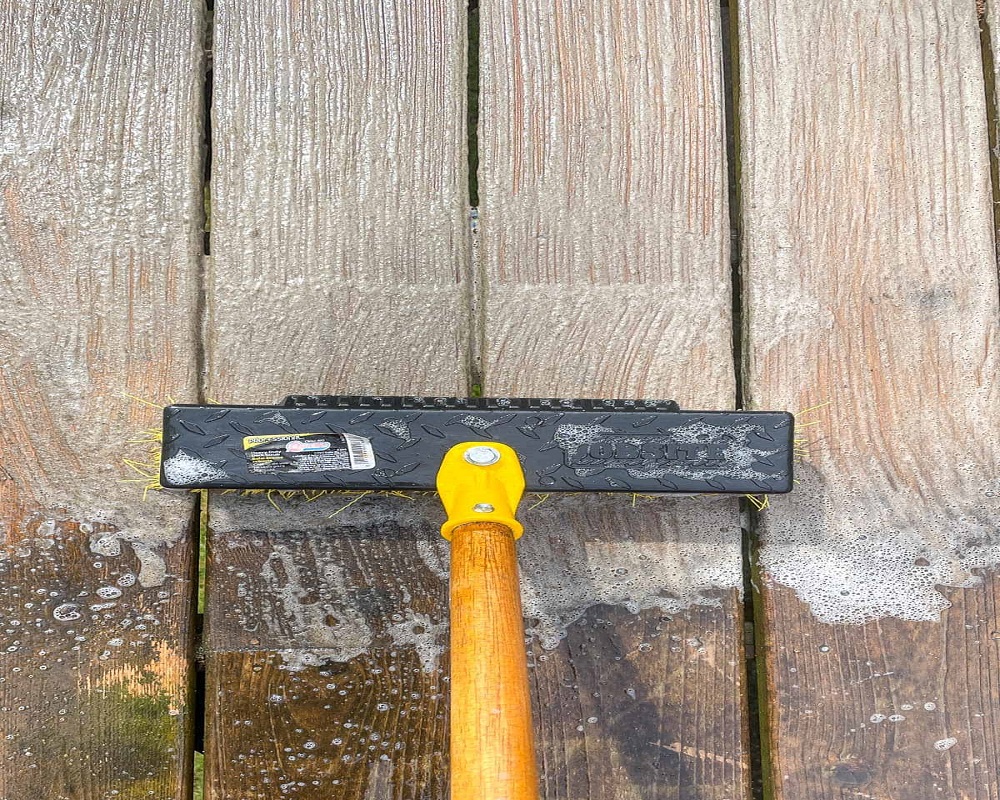
Apply the home made deck cleaner evenly using a brush or sprayer. Let it sit briefly, then scrub gently and rinse thoroughly with water to avoid residue.
Mistakes to Avoid When Using Home Made Deck Cleaner
Using overly strong mixtures is a common mistake. Concentrated vinegar or bleach can damage wood fibers and weaken finishes. Always follow balanced ratios and avoid shortcuts.
Another mistake is pressure washing after applying homemade cleaners. Excessive pressure can splinter wood and shorten deck life. Gentle rinsing is usually sufficient.
How Often Should You Clean Your Deck
Regular maintenance prevents heavy buildup that requires aggressive cleaning. Most decks benefit from cleaning once or twice a year, depending on climate and usage. Shaded areas may need more frequent attention due to mildew growth.
Using a home made deck cleaner as part of routine care helps maintain appearance and reduces long-term repair costs. Consistency is more important than intensity.
Home Made Deck Cleaner vs Store-Bought Products
Store-bought cleaners are formulated for convenience and speed, but they often contain stronger chemicals. Homemade solutions offer flexibility and are ideal for light to moderate cleaning needs. They also allow homeowners to clean more frequently without concern.
However, for heavily stained or neglected decks, a professional home cleaner service may deliver better results. Professionals have tools and expertise to restore surfaces safely.
When to Consider a Professional Home Cleaner Service
DIY cleaning works well for routine maintenance, but some situations require professional help. Deep stains, severe mildew, or aging wood can be difficult to address with homemade solutions alone. Improper cleaning can worsen damage.
A reliable home cleaner service can assess the deck condition and choose the safest method. This approach often saves time and prevents costly mistakes.
Environmental Benefits of Home Made Deck Cleaner
Homemade cleaners are often more eco-friendly than commercial alternatives. They reduce chemical runoff into soil and waterways. This makes them a responsible choice for environmentally conscious homeowners.
Using biodegradable ingredients supports eco-friendly deck maintenance while still achieving visible results. This balance appeals to many modern homeowners.
Preparing Your Deck After Cleaning
After cleaning, allowing the deck to dry completely is essential. This step prevents trapped moisture that can lead to mold or rot. Drying time varies based on weather conditions.
Once dry, inspecting the deck for damage or wear helps plan future maintenance. Clean surfaces also make it easier to apply sealants or stains if needed.
Long-Term Deck Care Tips
Regular sweeping and prompt spill cleanup reduce the need for deep cleaning. Placing mats near entry points also helps limit dirt buildup. Small habits make a noticeable difference over time.
Combining routine care with a home made deck cleaner supports long-lasting deck protection and keeps outdoor spaces looking their best year-round.
Balancing DIY Cleaning and Professional Support
Many homeowners find success combining DIY methods with occasional professional cleaning. Homemade solutions handle routine upkeep, while professionals address deeper issues. This balanced approach is both cost-effective and efficient.
Knowing when to switch from DIY to a home cleaner service ensures your deck receives the care it needs without unnecessary risk.
FAQ About Home Made Deck Cleaner
Is a home made deck cleaner safe for all types of wood?
- Most are safe when properly diluted, but testing a small area first is always recommended.
Can vinegar damage my deck?
- Vinegar is safe when diluted, but concentrated solutions can harm wood and finishes.
How long should a homemade cleaner sit on the deck?
- Usually 5 to 10 minutes is sufficient before gentle scrubbing and rinsing.
Do I need to seal my deck after cleaning?
- Sealing is recommended if the deck is exposed to heavy weather and shows signs of dryness.
When should I hire a home cleaner service instead of DIY cleaning?
- Professional help is best for deep stains, heavy mildew, or older decks needing restoration.