Understanding HVAC dampers is essential for homeowners and facility managers who want better comfort, lower energy bills, and improved airflow control. Search intent behind this topic is primarily commercial and informational, with users looking to understand what dampers do, how they impact HVAC performance, and whether upgrading or replacing them is worth the investment. This guide explains everything in clear, practical terms while helping you make confident decisions.
Modern HVAC dampers play a critical role in heating and cooling systems across residential and commercial properties. When installed and maintained correctly, they improve efficiency, extend system lifespan, and create balanced indoor comfort.
What HVAC Dampers Are and How They Function
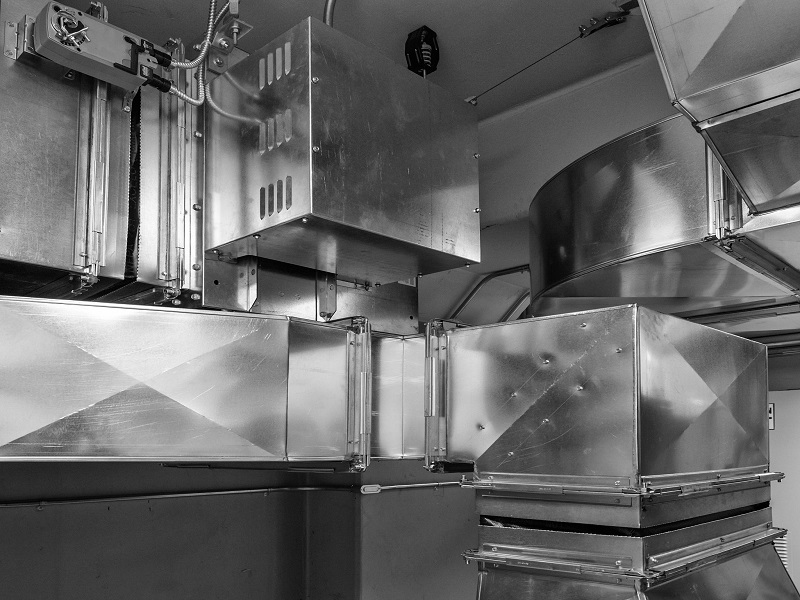
HVAC Service are adjustable plates or valves installed inside ductwork to regulate airflow. By opening or closing, they control how much heated or cooled air reaches specific areas of a building. This allows HVAC systems to deliver comfort where it is needed most.
In HVAC systems across the USA, dampers are commonly used to support zoning, reduce energy waste, and address uneven temperatures. Whether manual or automatic, they act as traffic controllers for conditioned air.
Types of HVAC Dampers Used in Modern Systems
Manual Dampers
Manual HVAC Service are adjusted by hand and remain in a fixed position until changed. They are cost-effective and commonly found in older or smaller systems. While simple, they still offer valuable airflow control when seasonal adjustments are needed.
Automatic and Motorized Dampers
Automatic HVAC Service use motors and sensors to adjust airflow dynamically. These are often integrated with smart thermostats and zoning systems. In larger homes and commercial properties, they provide precise control and improved energy efficiency.
Backdraft and Control Dampers
Backdraft dampers prevent air from flowing in the wrong direction, improving system efficiency and indoor air quality. Control dampers manage airflow volume and pressure. Both are essential components in advanced HVAC designs.
Why HVAC Service Are Important for Comfort
Uneven heating and cooling is one of the most common complaints from homeowners. HVAC Service solve this by directing air where it is needed most. Rooms that are too hot or too cold can often be balanced by adjusting damper settings.
When used correctly, HVAC Service support better airflow control without overworking the system. This results in a more consistent indoor temperature and improved comfort year-round.
Energy Efficiency Benefits of HVAC Dampers
Energy efficiency is a top concern for property owners, especially as utility costs rise. HVAC Service help reduce wasted energy by limiting airflow to unused or low-demand areas. This allows the system to operate more efficiently.
In HVAC dampers in USA homes, zoning supported by dampers can significantly lower heating and cooling costs. By focusing energy only where needed, systems cycle less frequently and experience reduced wear.
HVAC Dampers and Zoning Systems
Zoning systems rely on HVAC Service to divide a building into separate comfort zones. Each zone is controlled independently, allowing different temperatures in different areas. This is especially beneficial for multi-story homes.
Zoned systems using HVAC Service improve comfort while reducing energy consumption. They are a popular upgrade for homeowners seeking smart HVAC solutions without replacing the entire system.
Signs Your HVAC Dampers Need Adjustment or Replacement
Poor airflow, inconsistent temperatures, and rising energy bills can indicate damper issues. Dampers can become stuck, damaged, or misaligned over time. These problems often go unnoticed because dampers are hidden inside ductwork.
Professional inspection is recommended if airflow problems persist. Addressing damper issues early helps prevent strain on the HVAC system and avoids costly repairs later.
Installation and Maintenance Considerations
Proper installation is crucial for HVAC Service to function correctly. Incorrect placement or sizing can reduce effectiveness and create airflow noise. Professional installation ensures compatibility with your existing HVAC system.
Regular maintenance includes checking damper movement, motor function, and seals. Well-maintained HVAC dampers last longer and support long-term system efficiency.
Residential vs Commercial HVAC Dampers
Residential HVAC Service are typically smaller and designed for comfort zoning. Commercial dampers often handle higher airflow volumes and more complex control systems. Both serve the same purpose but differ in scale and durability.
In the USA, building codes and system requirements vary by application. Choosing the correct type of HVAC Service ensures compliance, performance, and safety.
Cost Factors and Return on Investment
The cost of HVAC Service depends on type, system size, and installation complexity. Manual dampers are affordable, while motorized dampers cost more upfront. However, energy savings often offset the initial investment.
For many homeowners, upgrading HVAC Service delivers a strong return by improving comfort and lowering monthly utility costs. This makes them a practical and value-driven upgrade.
Choosing the Right HVAC Dampers for Your System
Selecting HVAC Service requires understanding your system layout, airflow needs, and comfort goals. Compatibility with thermostats and zoning controls should also be considered. A professional HVAC assessment provides clarity.
Reliable HVAC Service enhance system performance and prevent unnecessary strain. Investing in the right solution ensures consistent comfort and efficient operation.
HVAC Dampers in USA Homes: What to Know
HVAC dampers in USA homes must meet regional efficiency standards and building codes. Climate variations also influence damper selection and placement. Cold and hot regions may require different zoning strategies.
Working with experienced HVAC professionals ensures compliance and optimal performance. Properly selected HVAC Service adapt well to regional conditions and lifestyle needs.
FAQ About HVAC Dampers
What do HVAC dampers do in a heating and cooling system?
- HVAC Service regulate airflow inside ductwork, directing heated or cooled air to specific areas.
Are HVAC dampers worth installing in older homes?
- Yes, they can improve comfort and efficiency without replacing the entire HVAC system.
How long do HVAC Service typically last?
- Most HVAC dampers last 10 to 20 years with proper maintenance.
Can faulty HVAC Service increase energy bills?
- Yes, stuck or damaged dampers can cause uneven airflow and force systems to work harder.
Do HVAC dampers require professional installation?
- Professional installation is recommended to ensure proper sizing, placement, and system integration.

3 comments
Ze77apk? I heard a few people chatting about this. Seems pretty seamless. Check it out and see what you think! Visit here: ze77apk
Alright, so I tried 68jilicasinologin. The login process was smooth, and they got a pretty cool selection of games. Give it a spin and see what you think 68jilicasinologin
Hey fam, downloaded the 718spgameapk recently. It’s got some interesting stuff. If you are into mobile gaming, check it out now! 718spgameapk